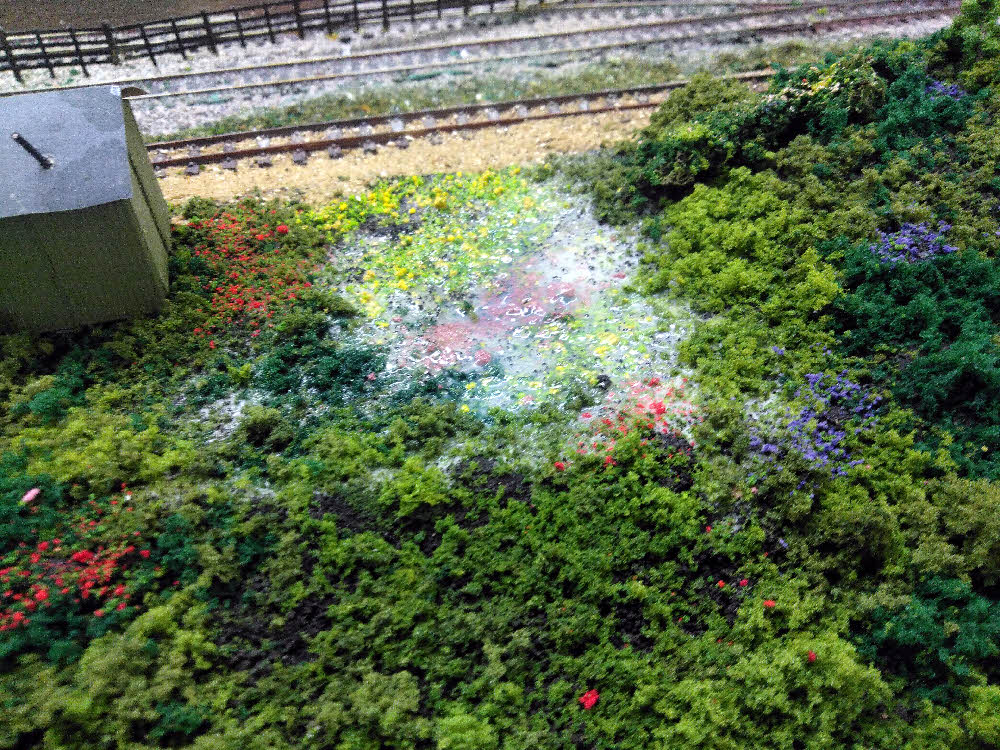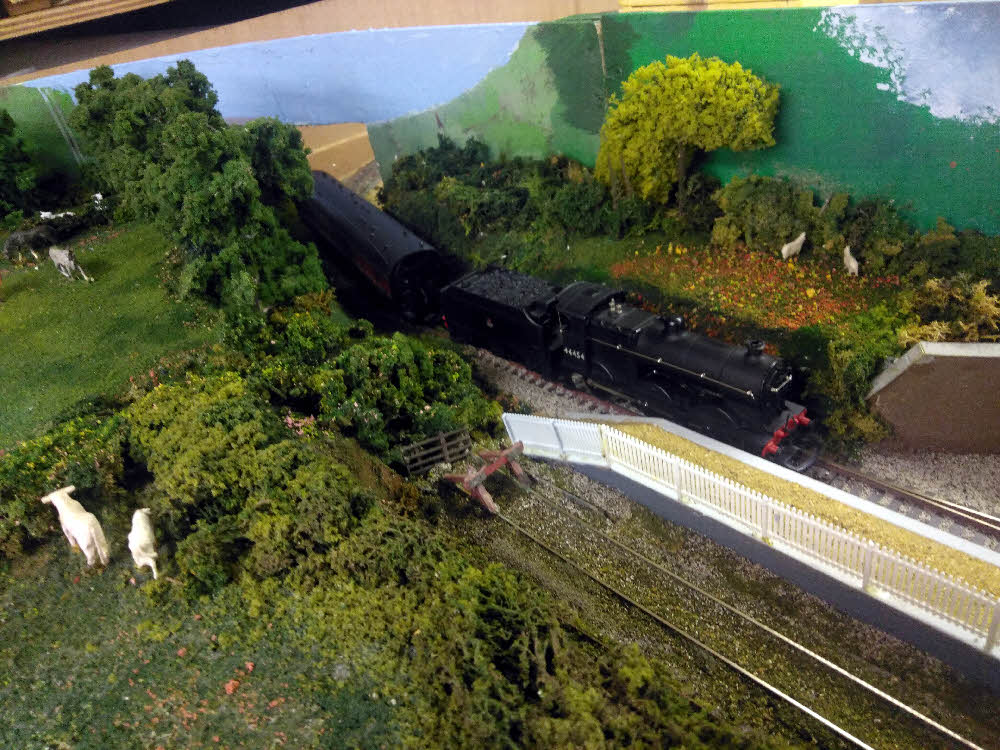
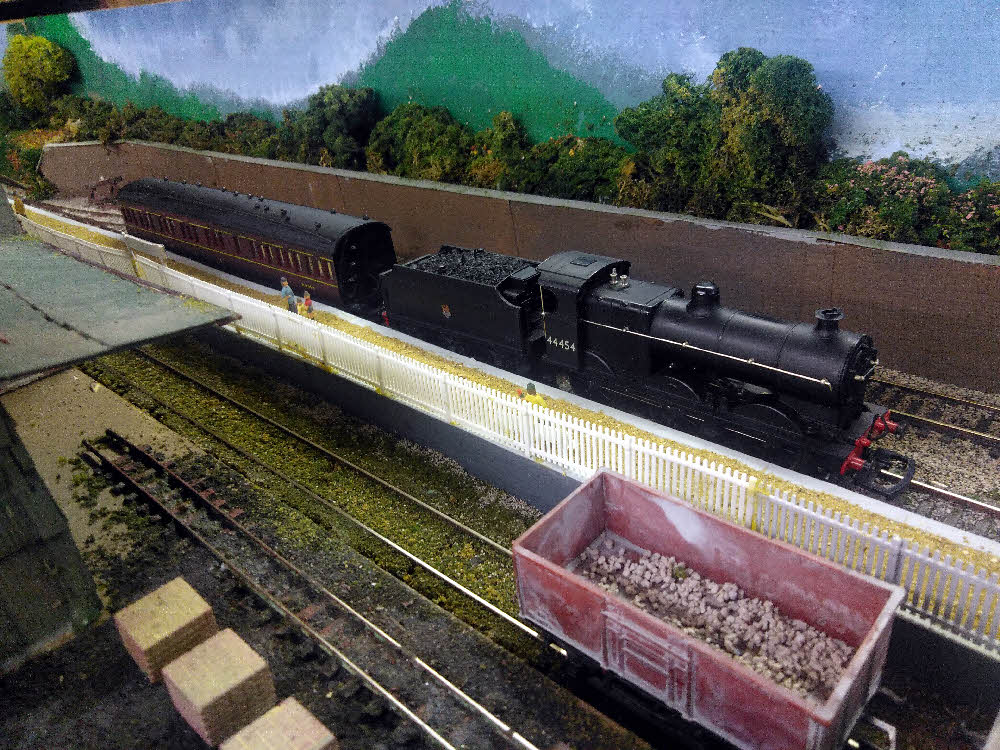
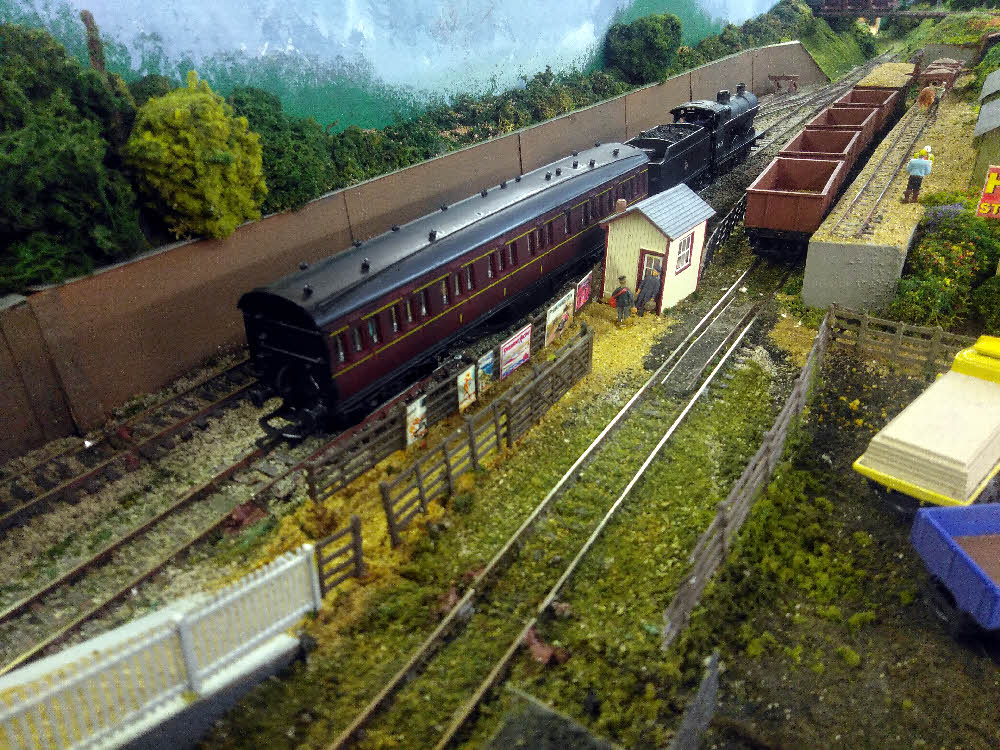



Converting Tallarn Green to Neston
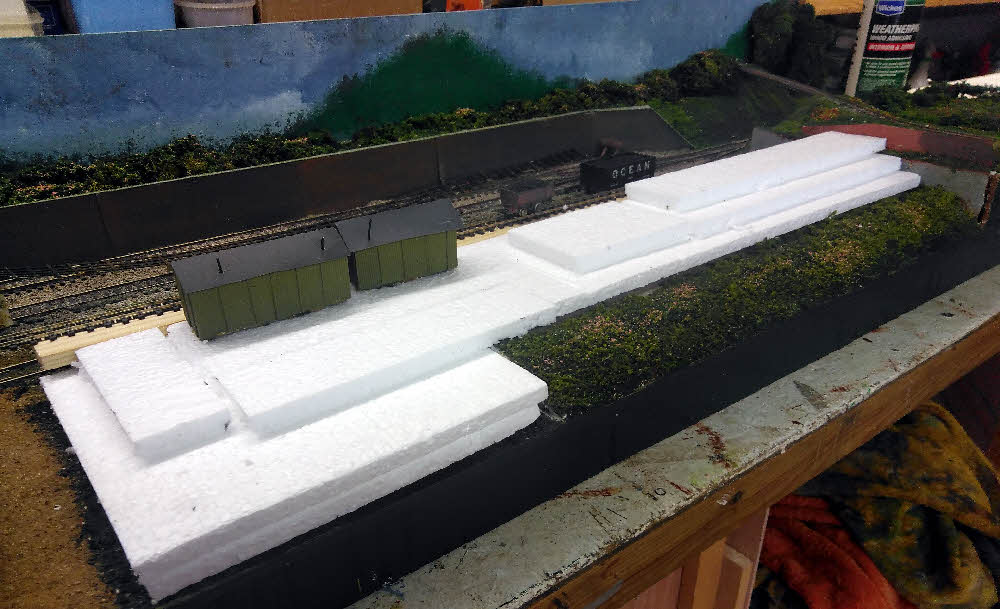
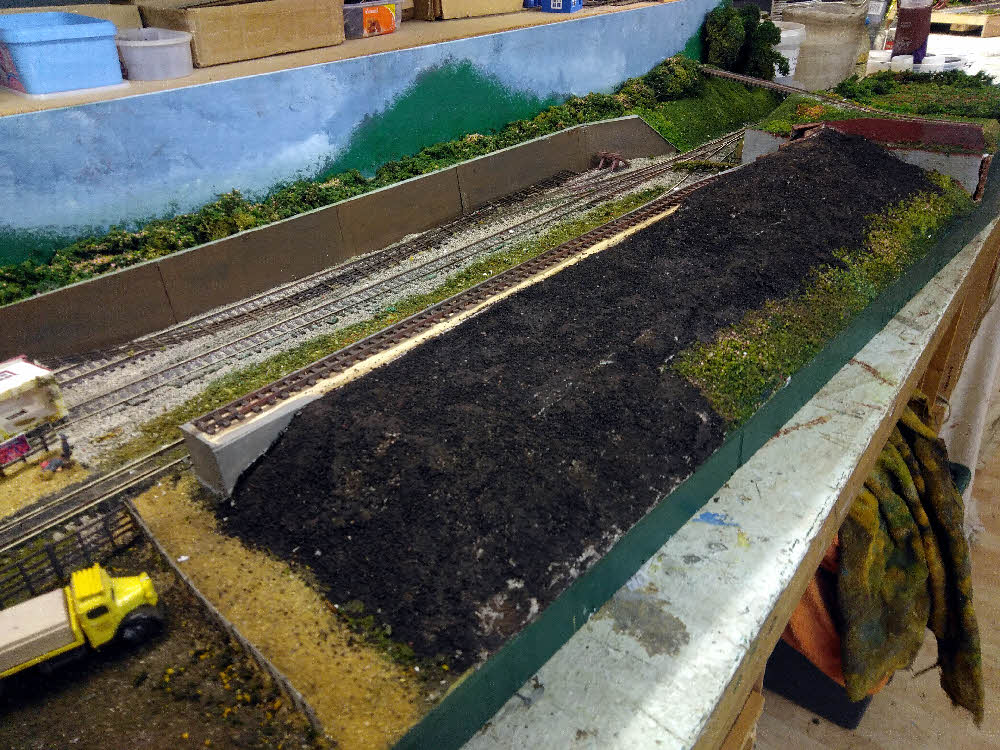
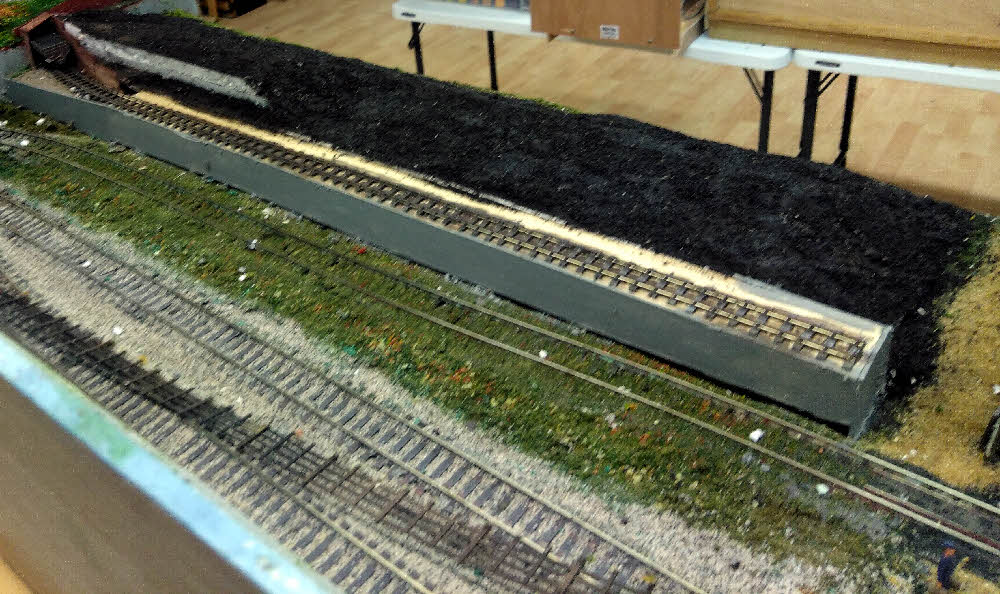
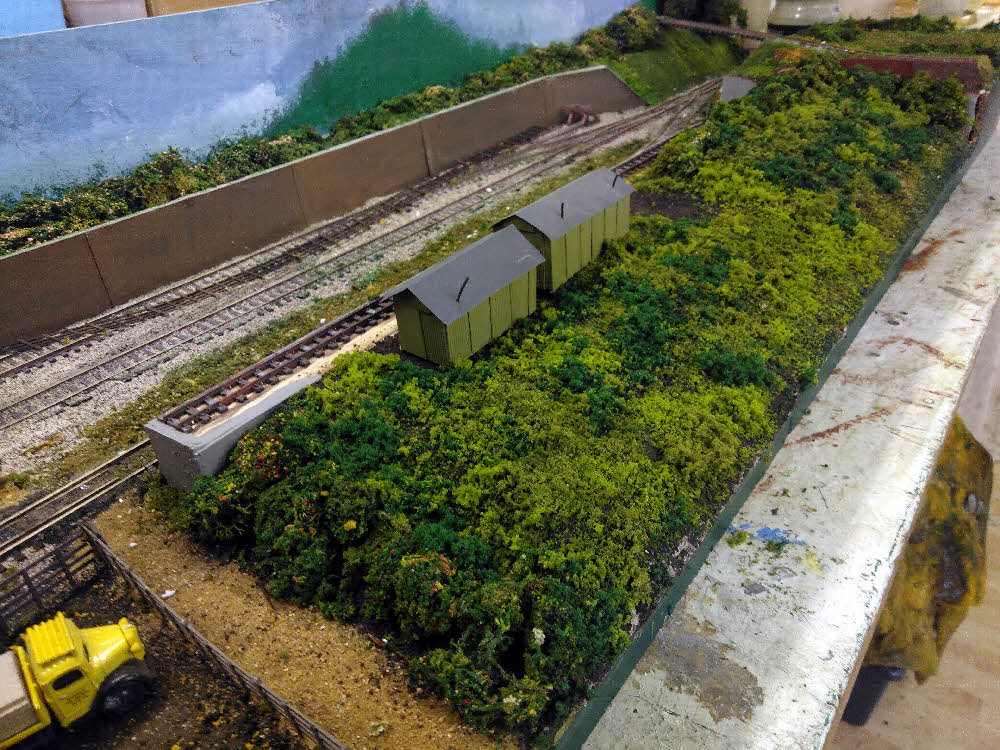

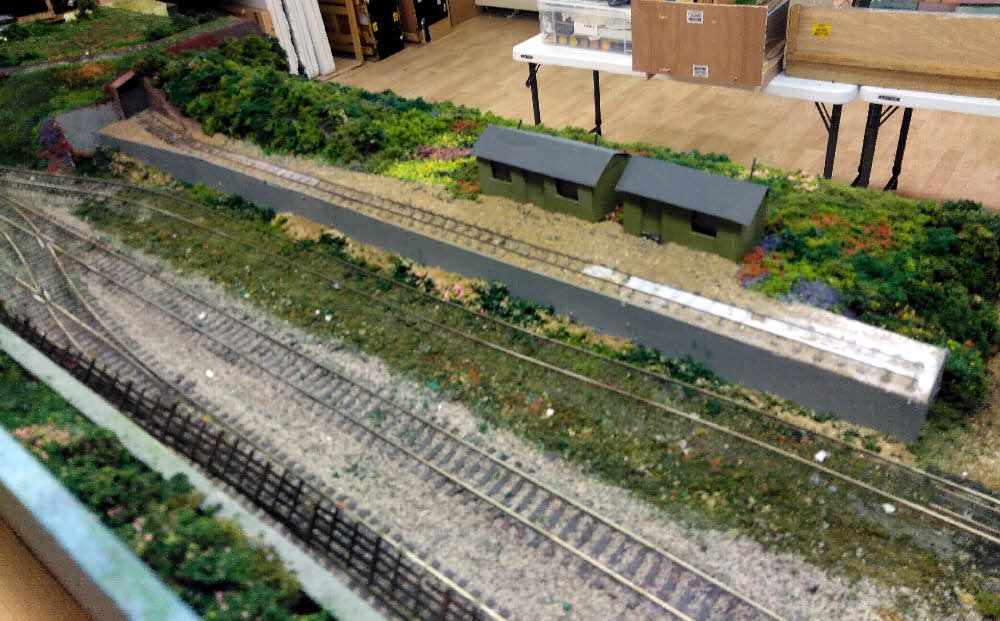
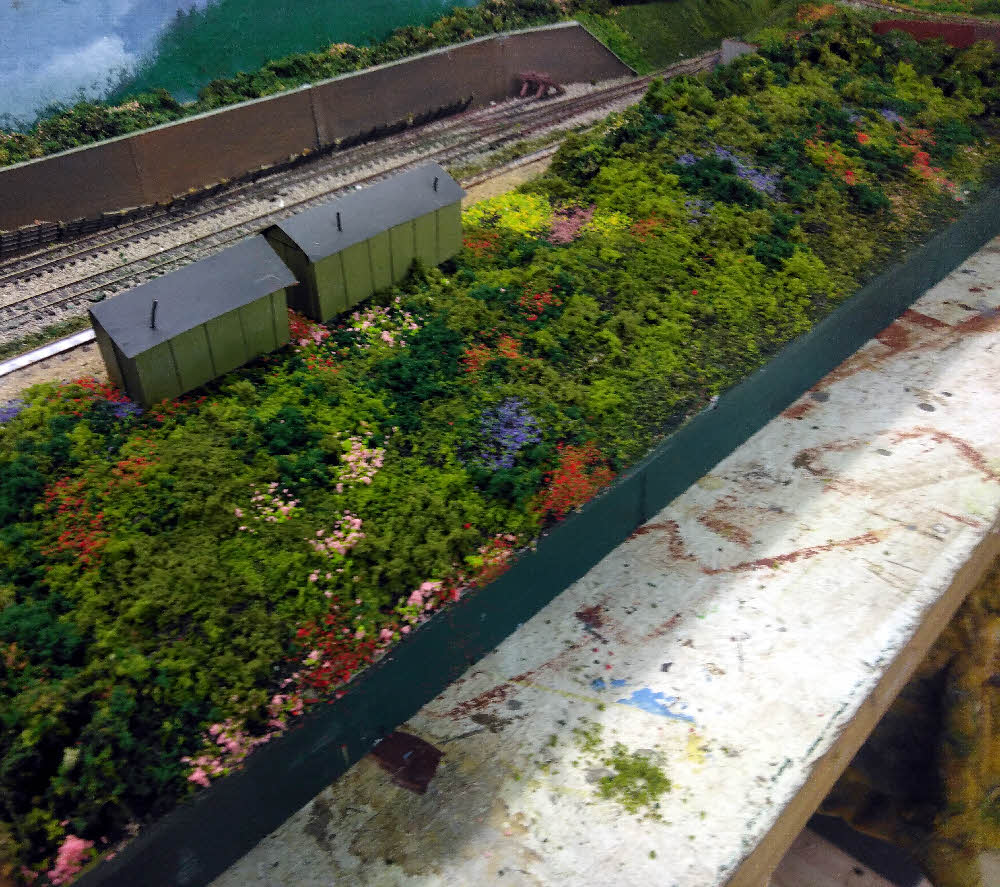
Neston
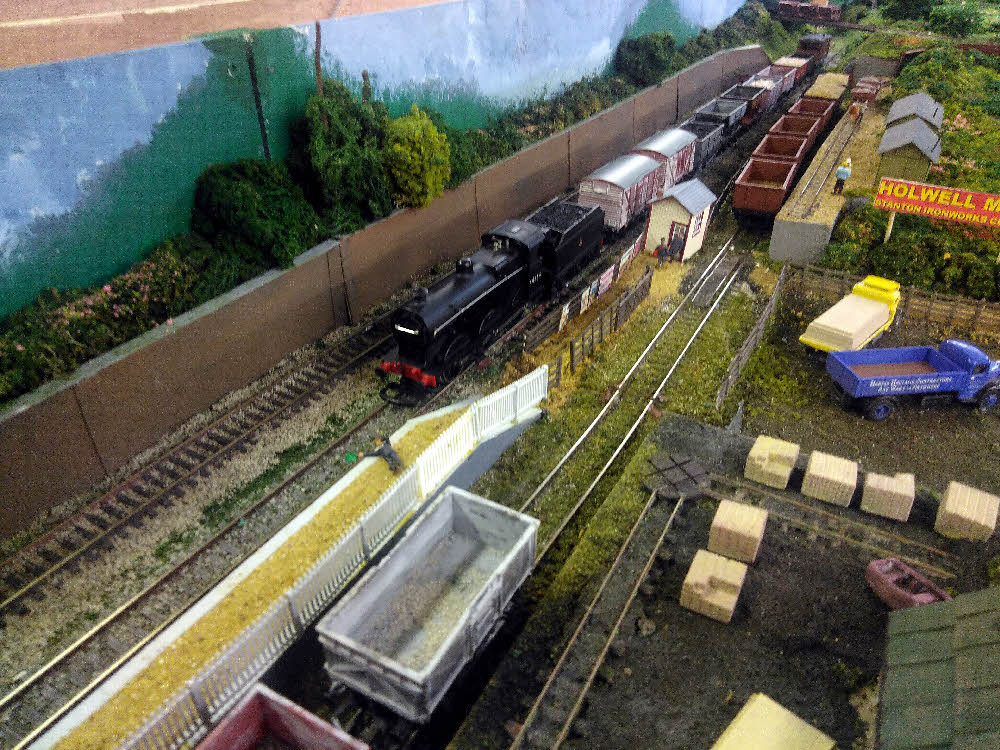
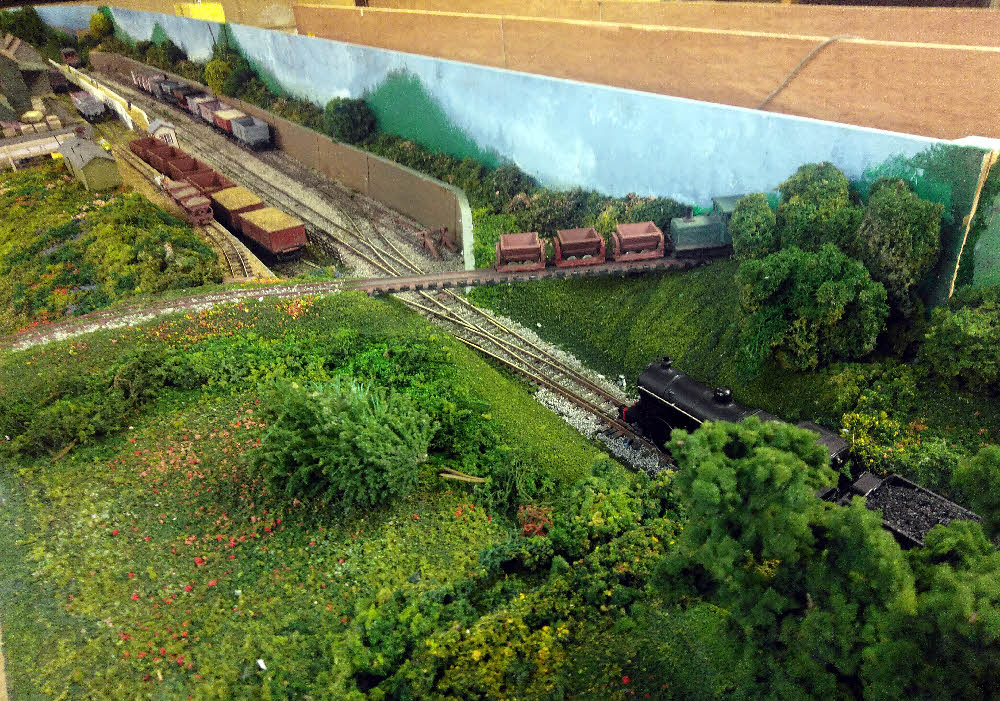
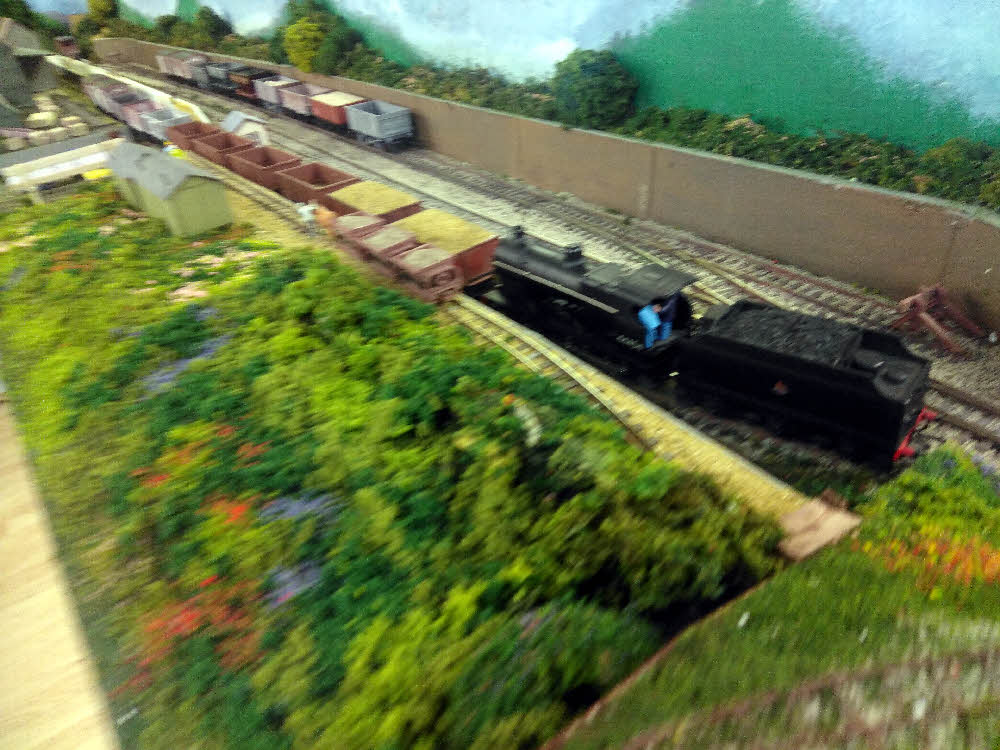
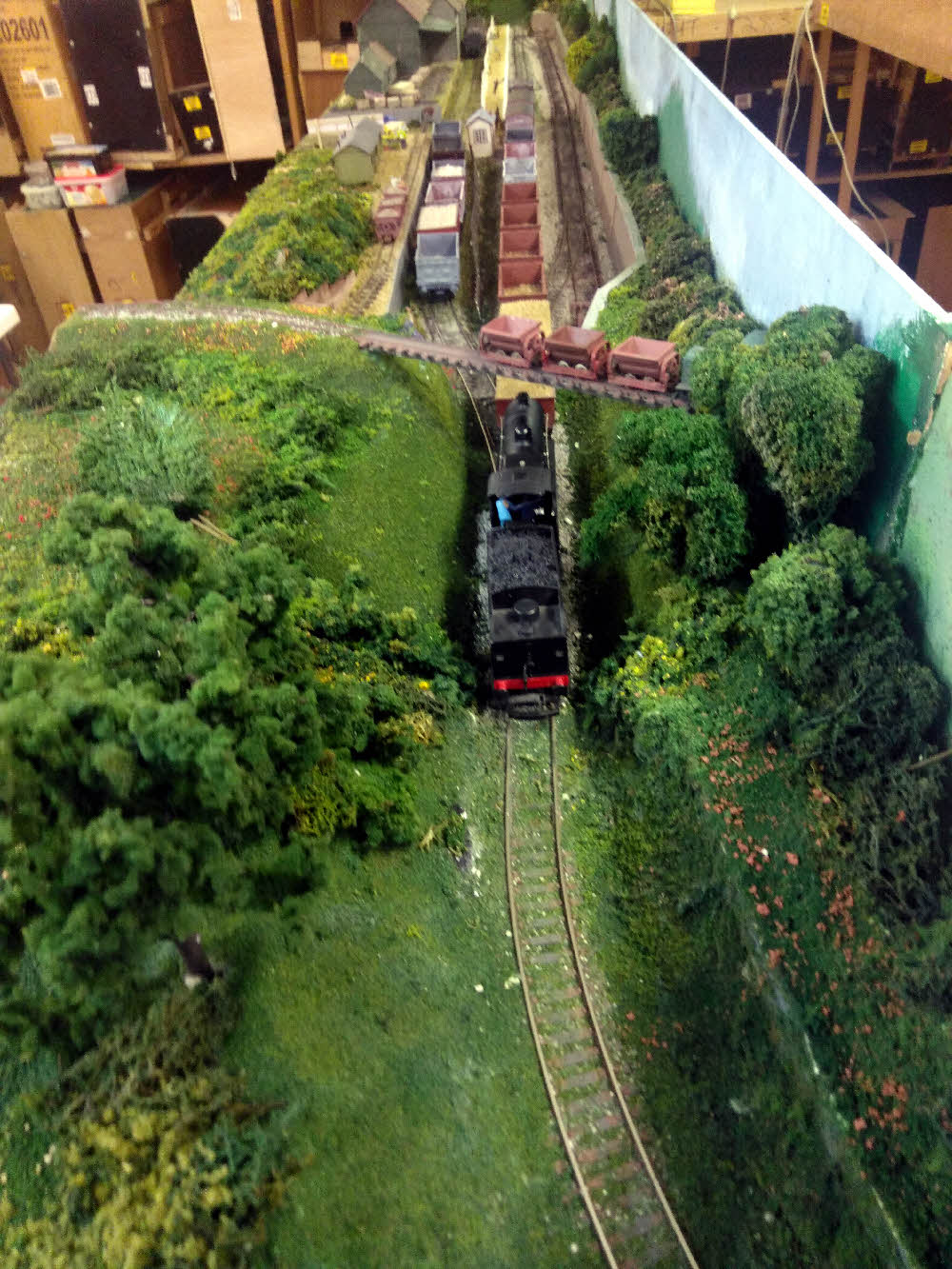
00, BR(LM), 12 x 4 foot
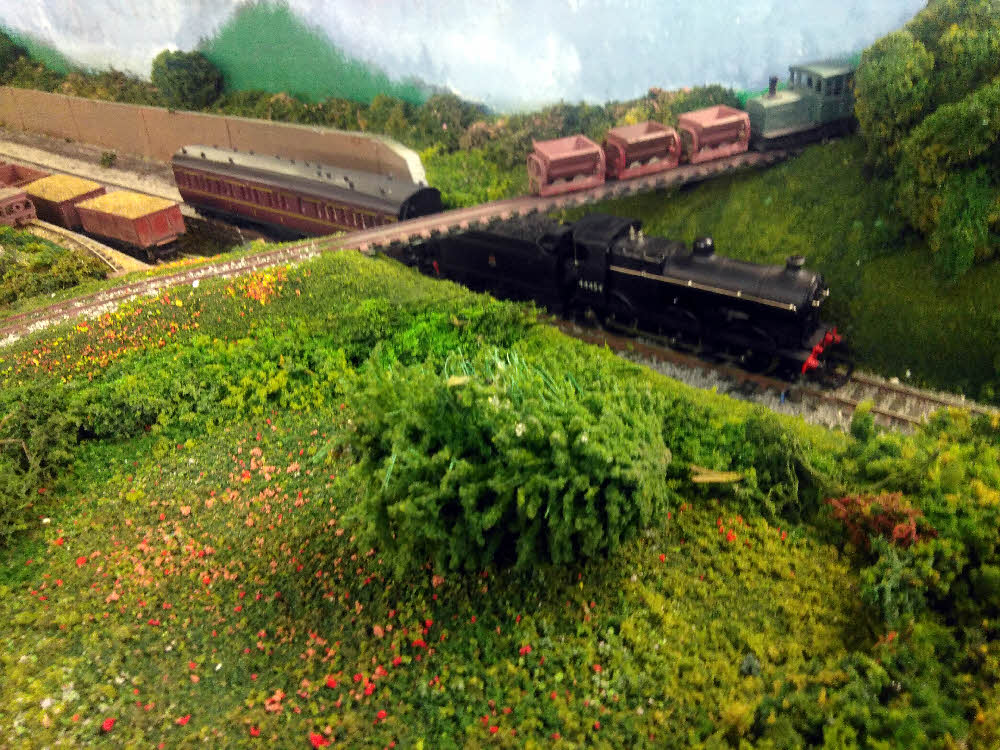
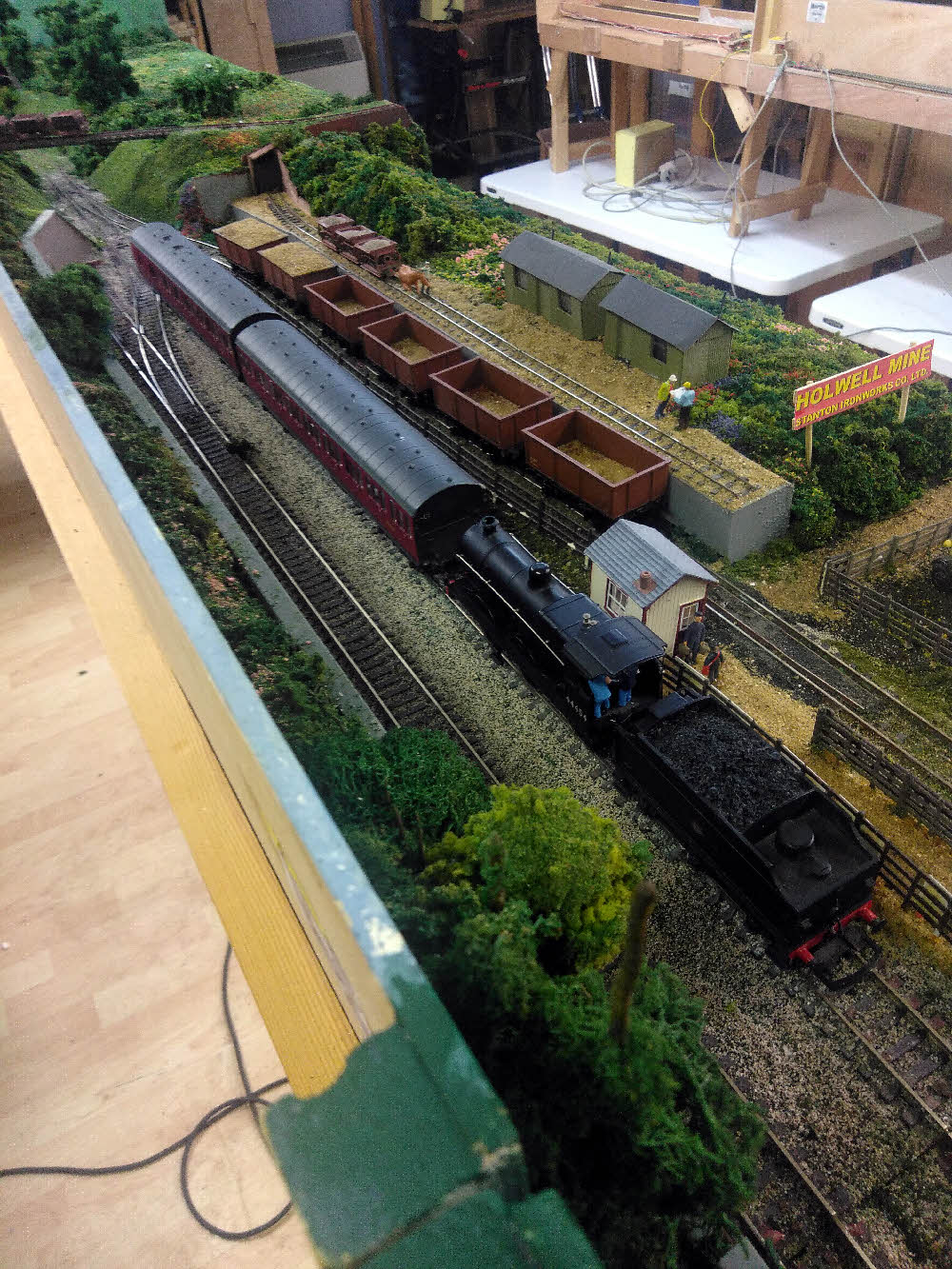
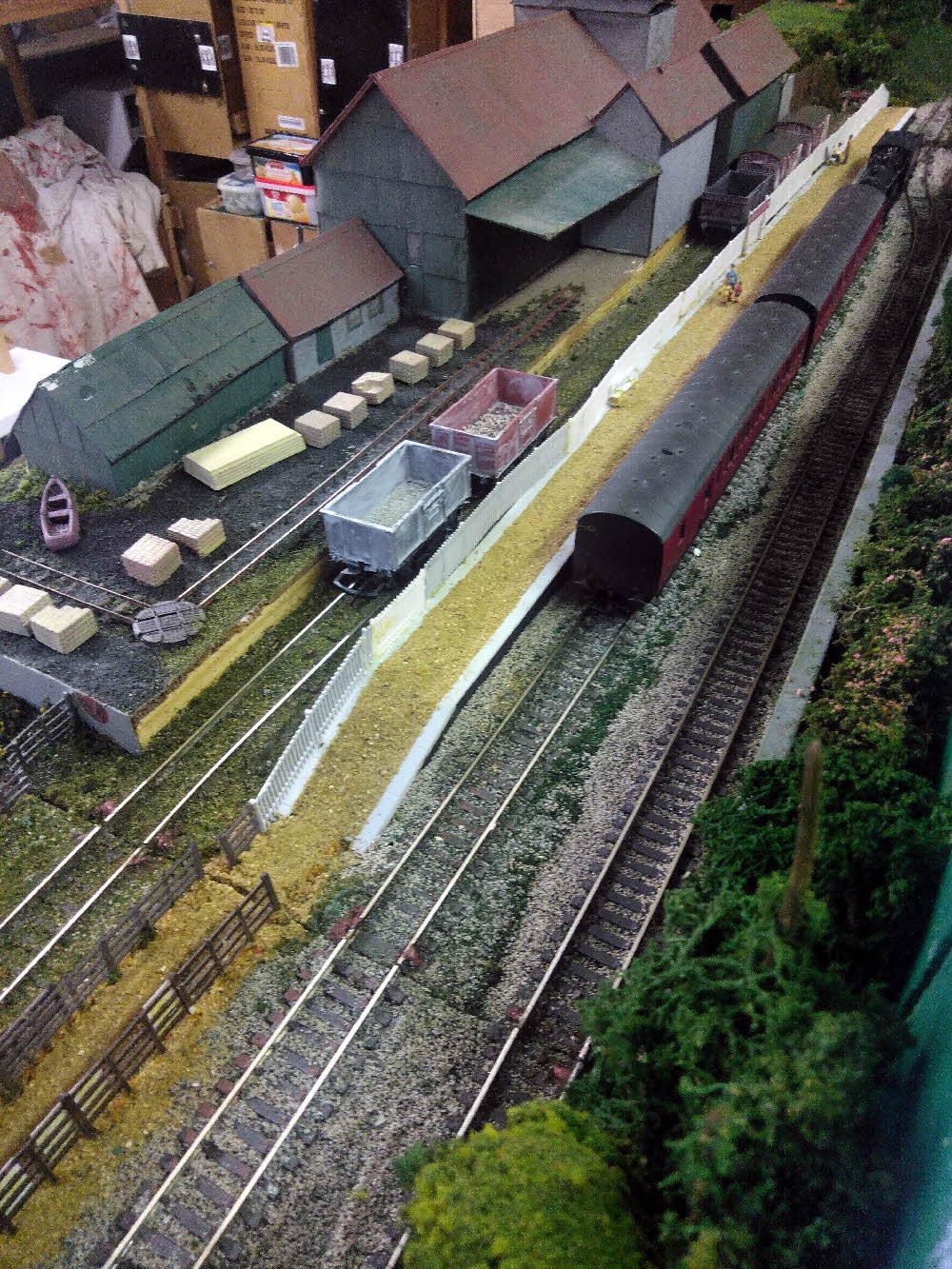
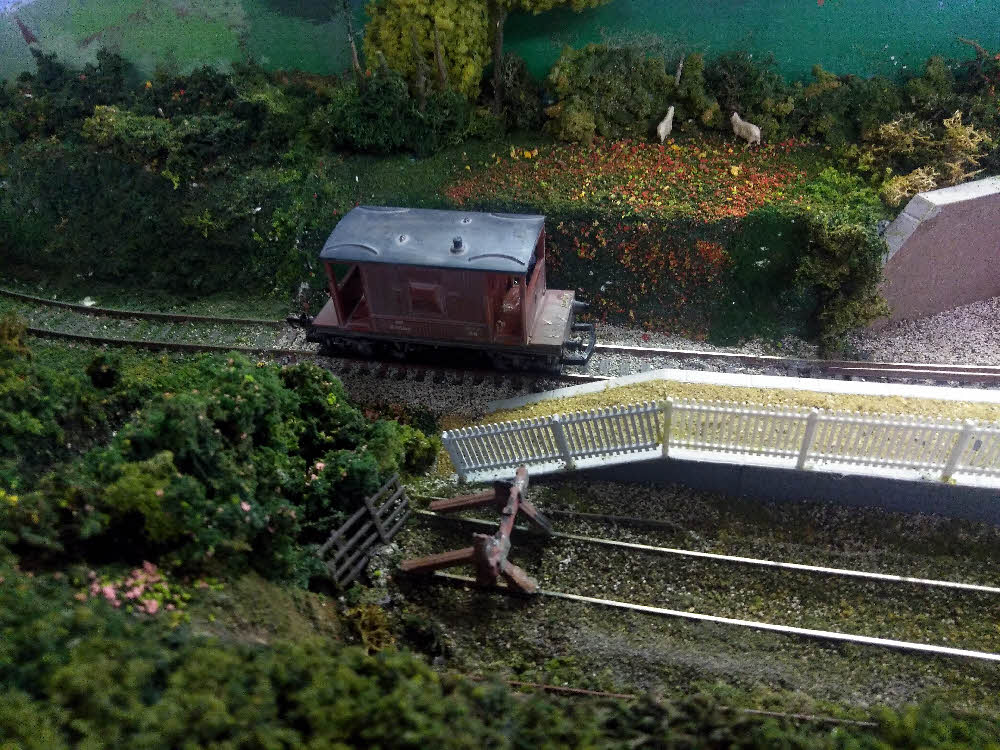
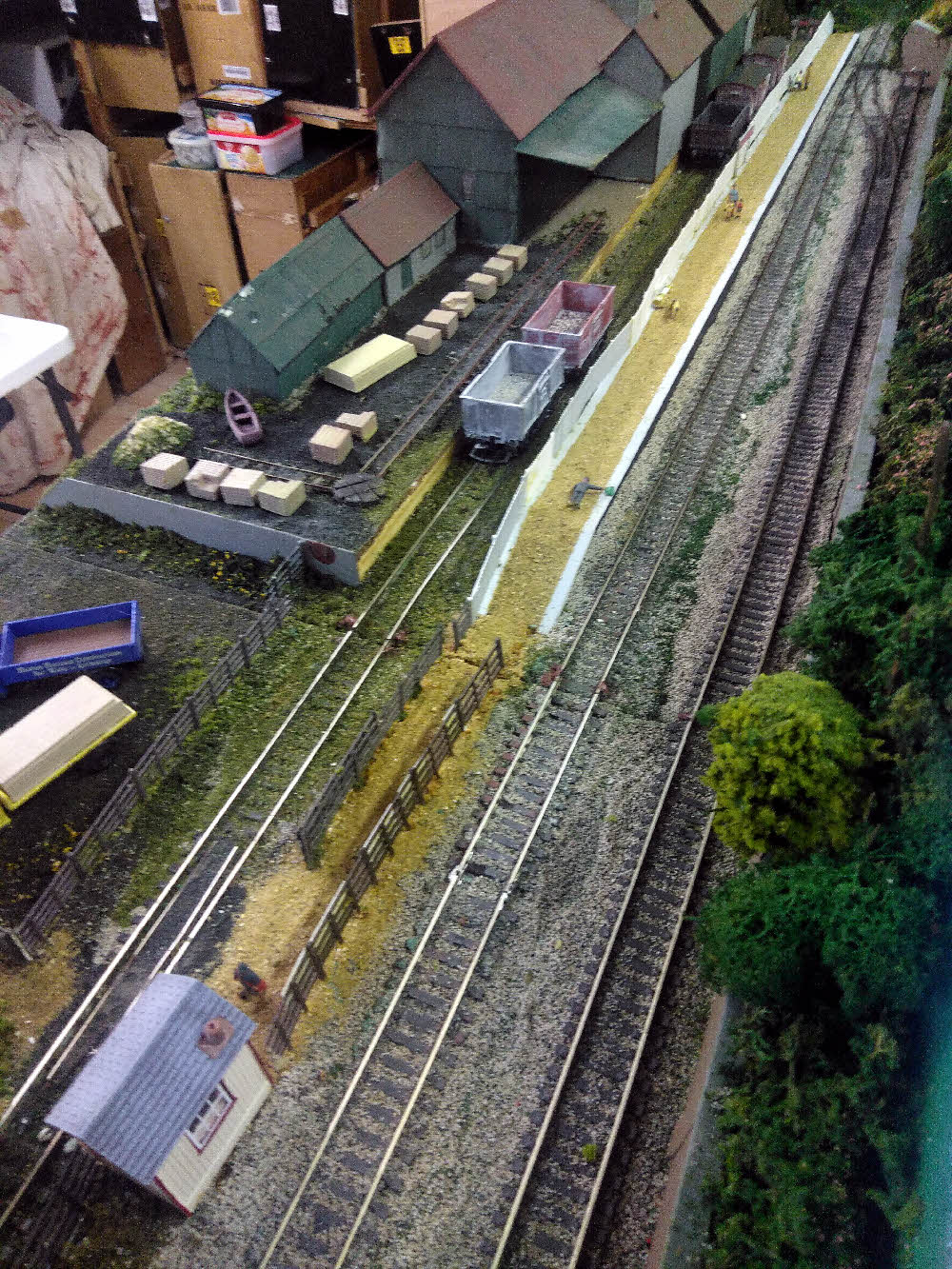
Neston is a platform (staffed halt
handling parcels) on the
Stratford-upon-Avon and
Midland Junction Railway.
The layout is set between 1948 and 1952 before the withdrawal of the passenger service.
The
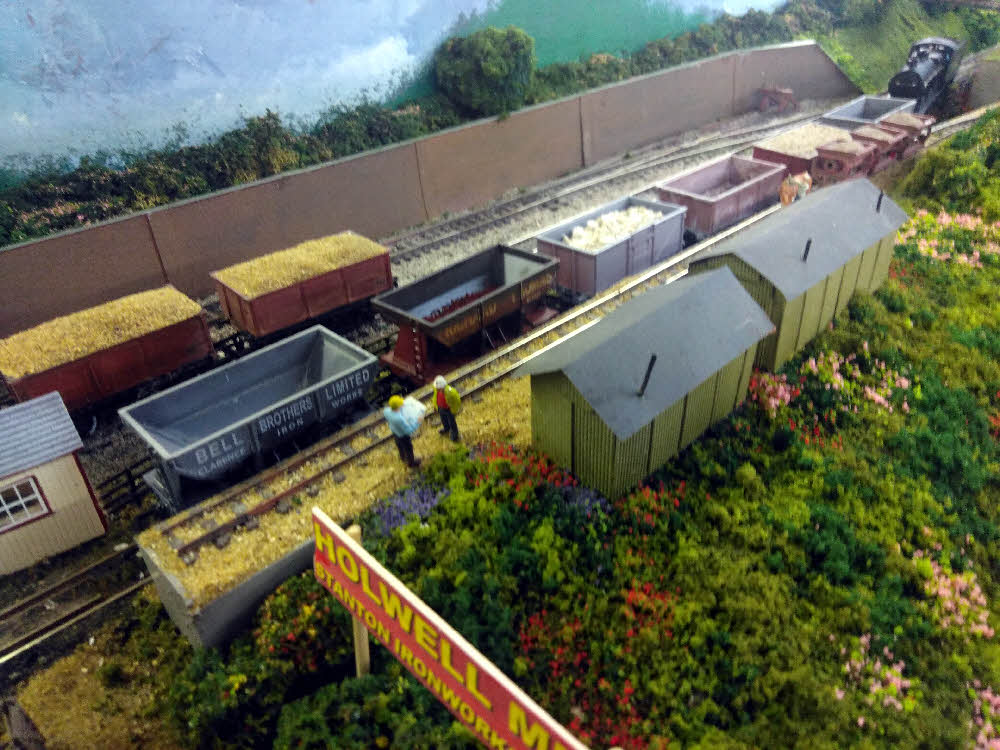
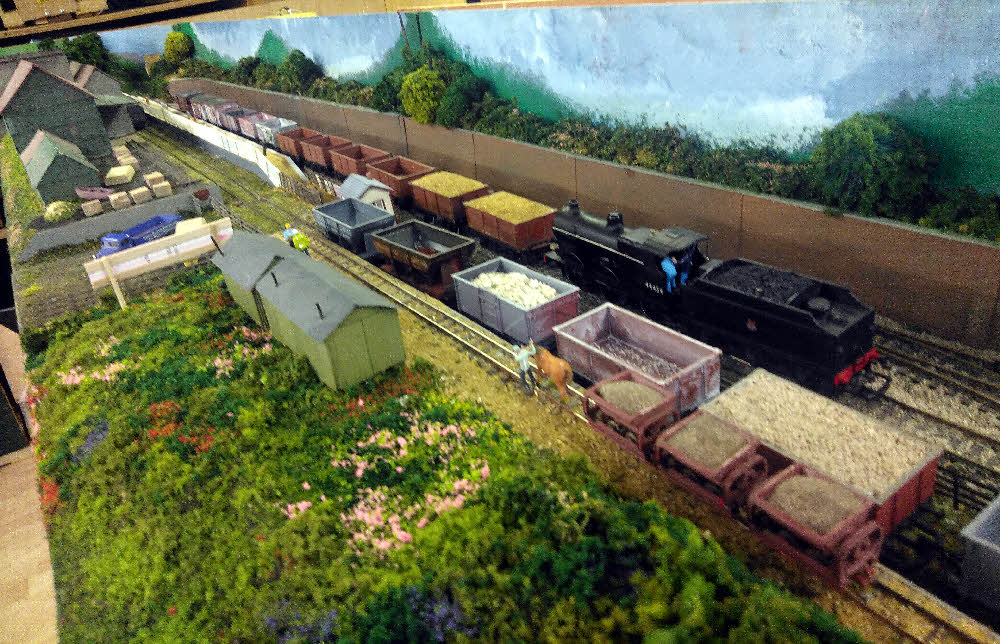
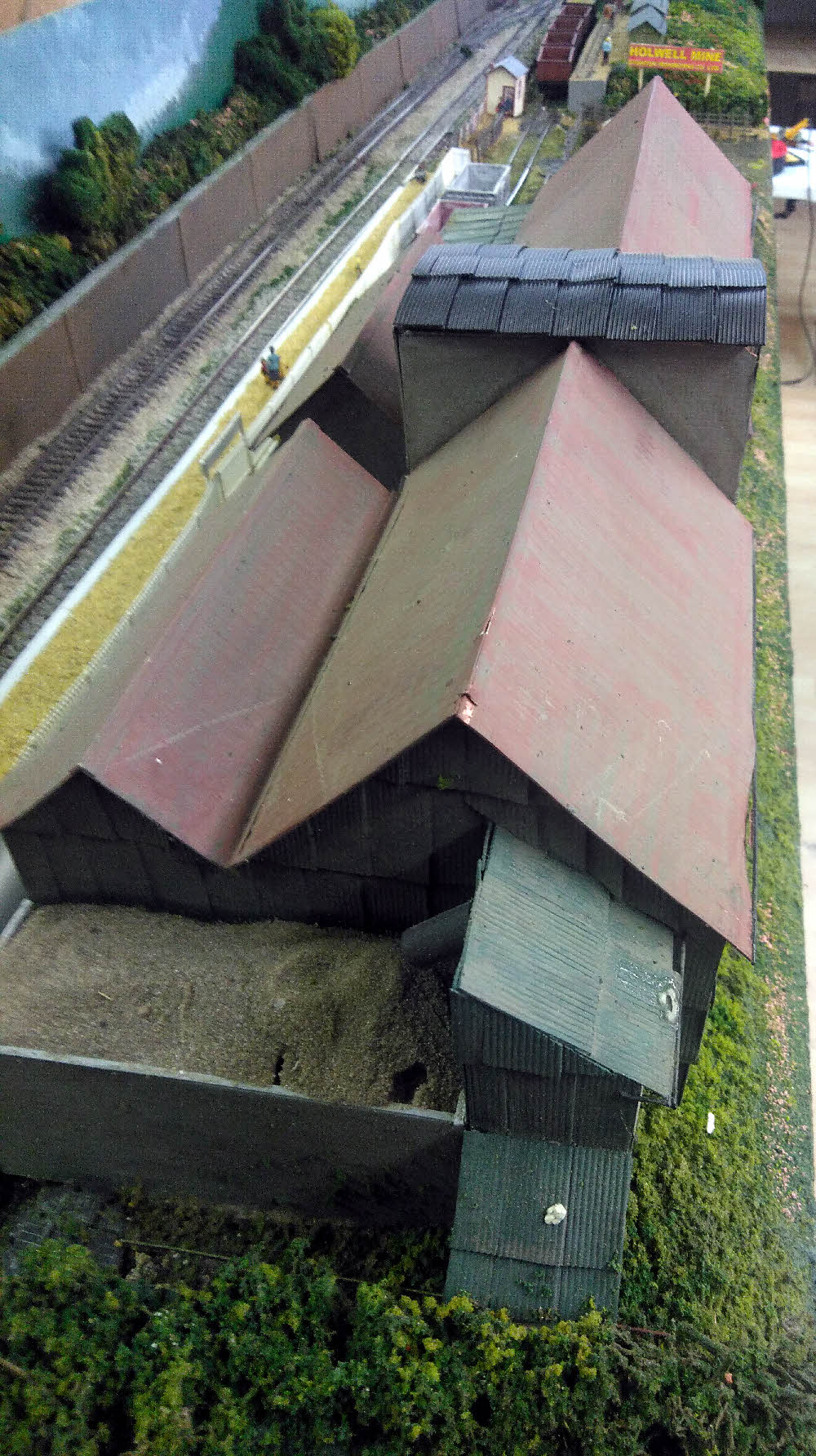
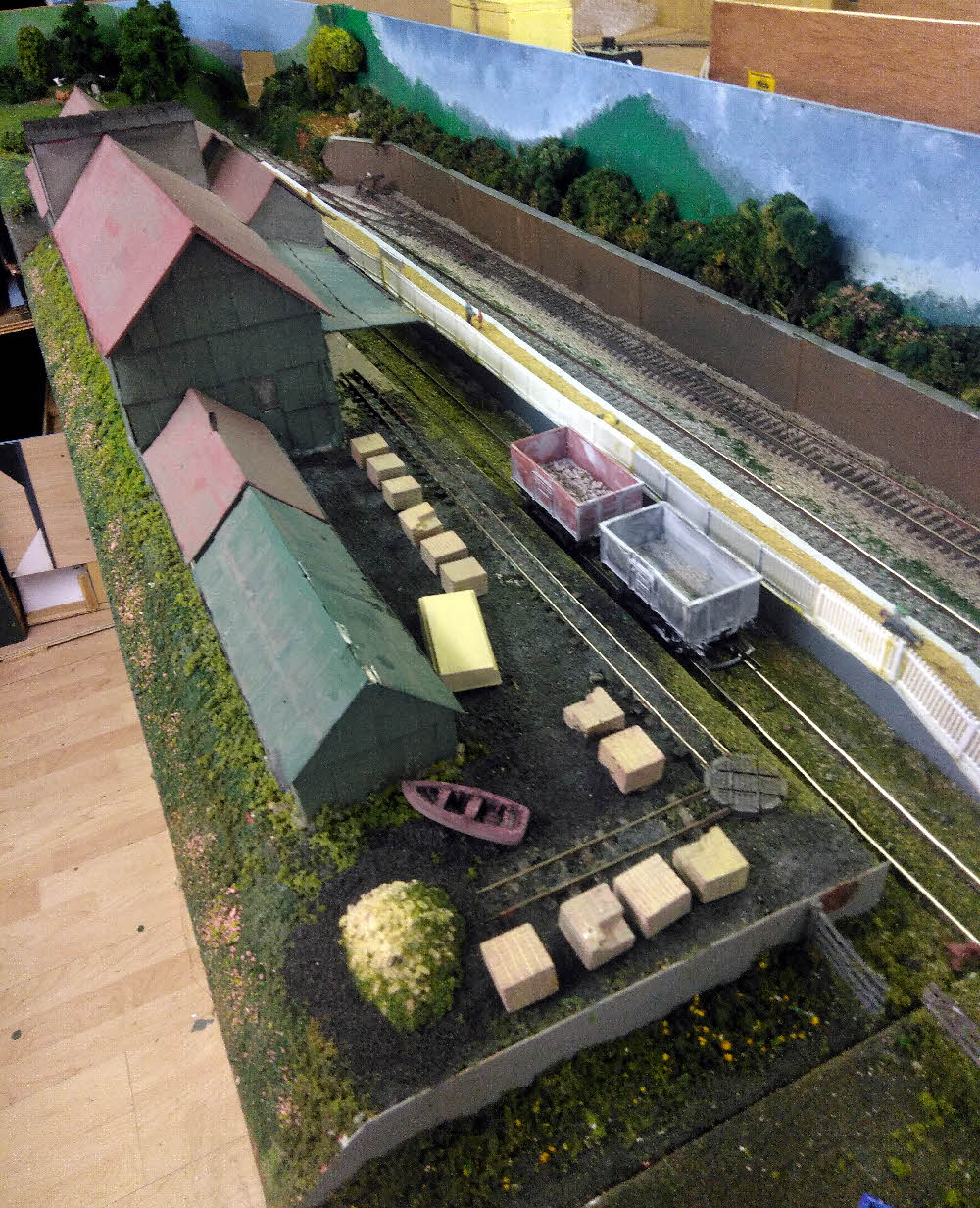
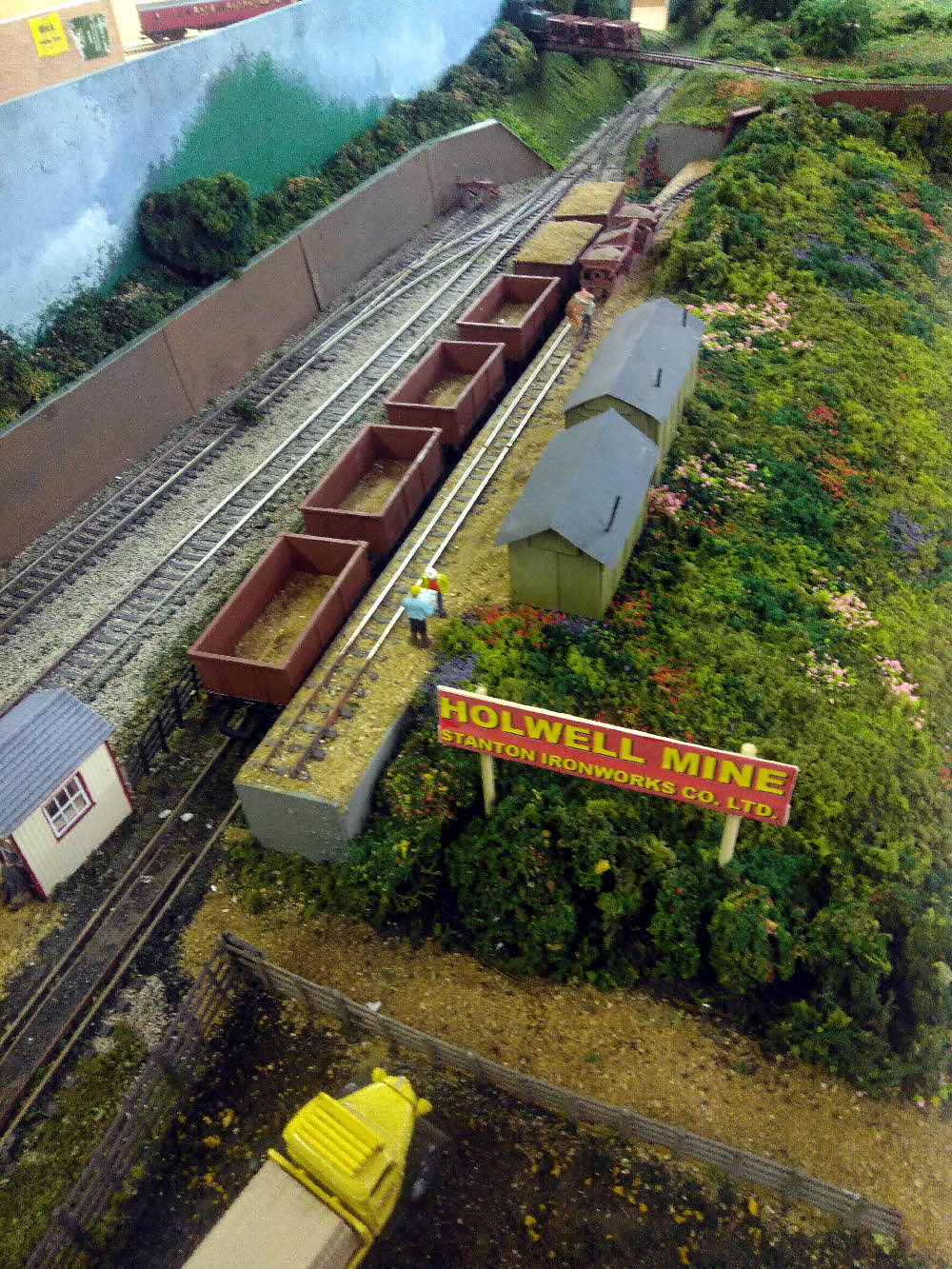
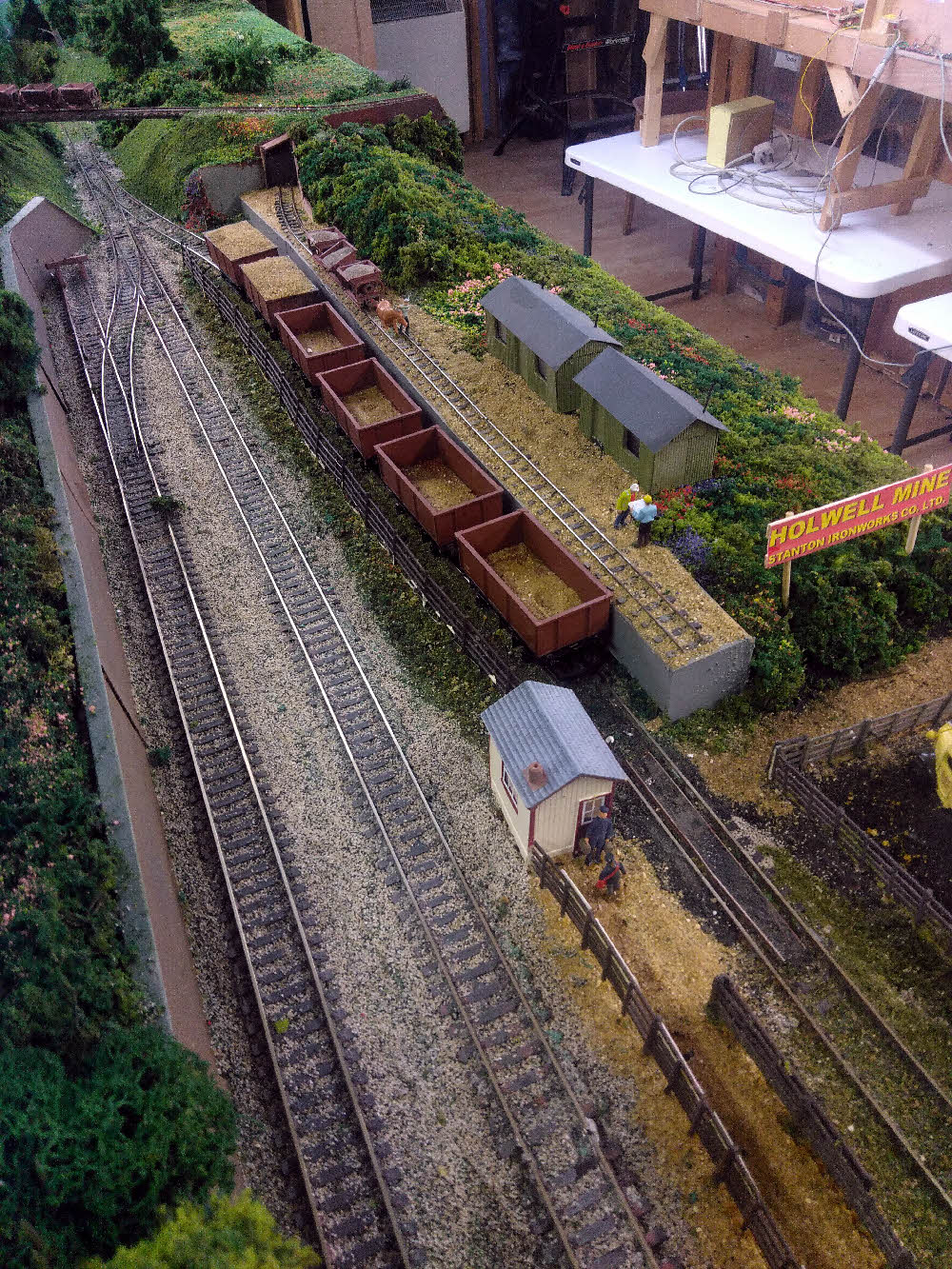
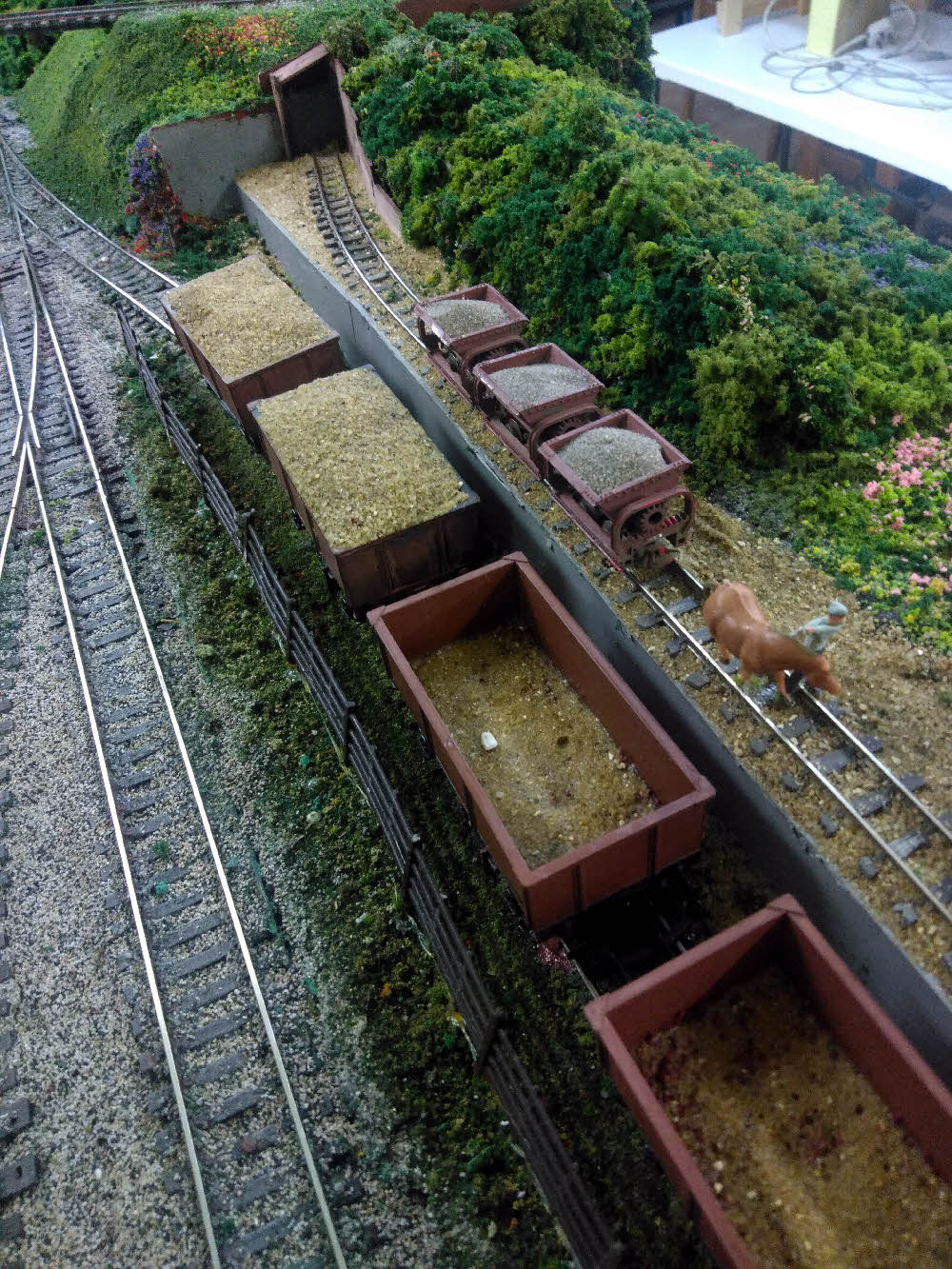
siding serves Holwell ironstone mine and a sand-lime
brickworks.
Thru coach
Local Passenger
Thru goods
Local goods shunting
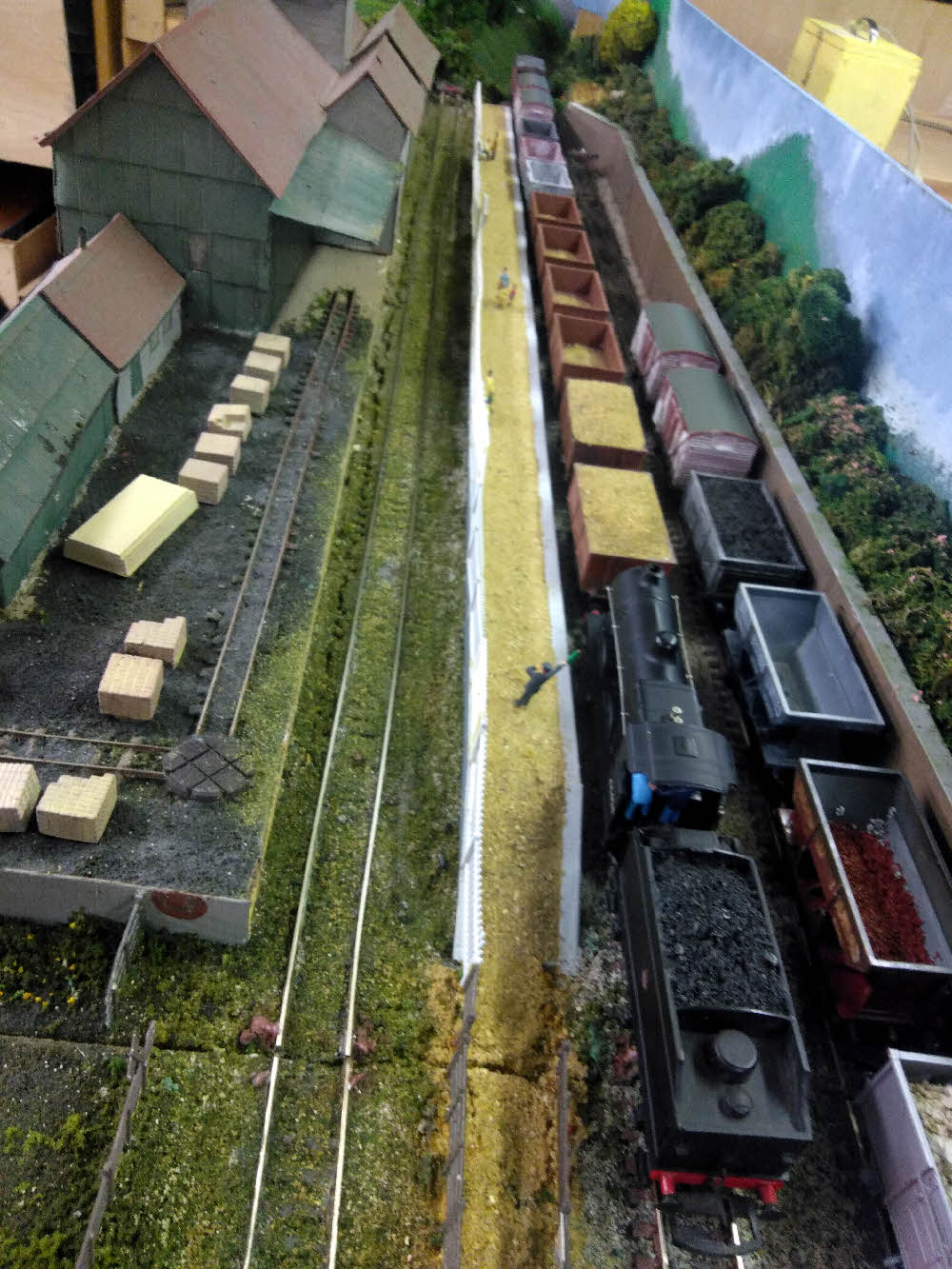
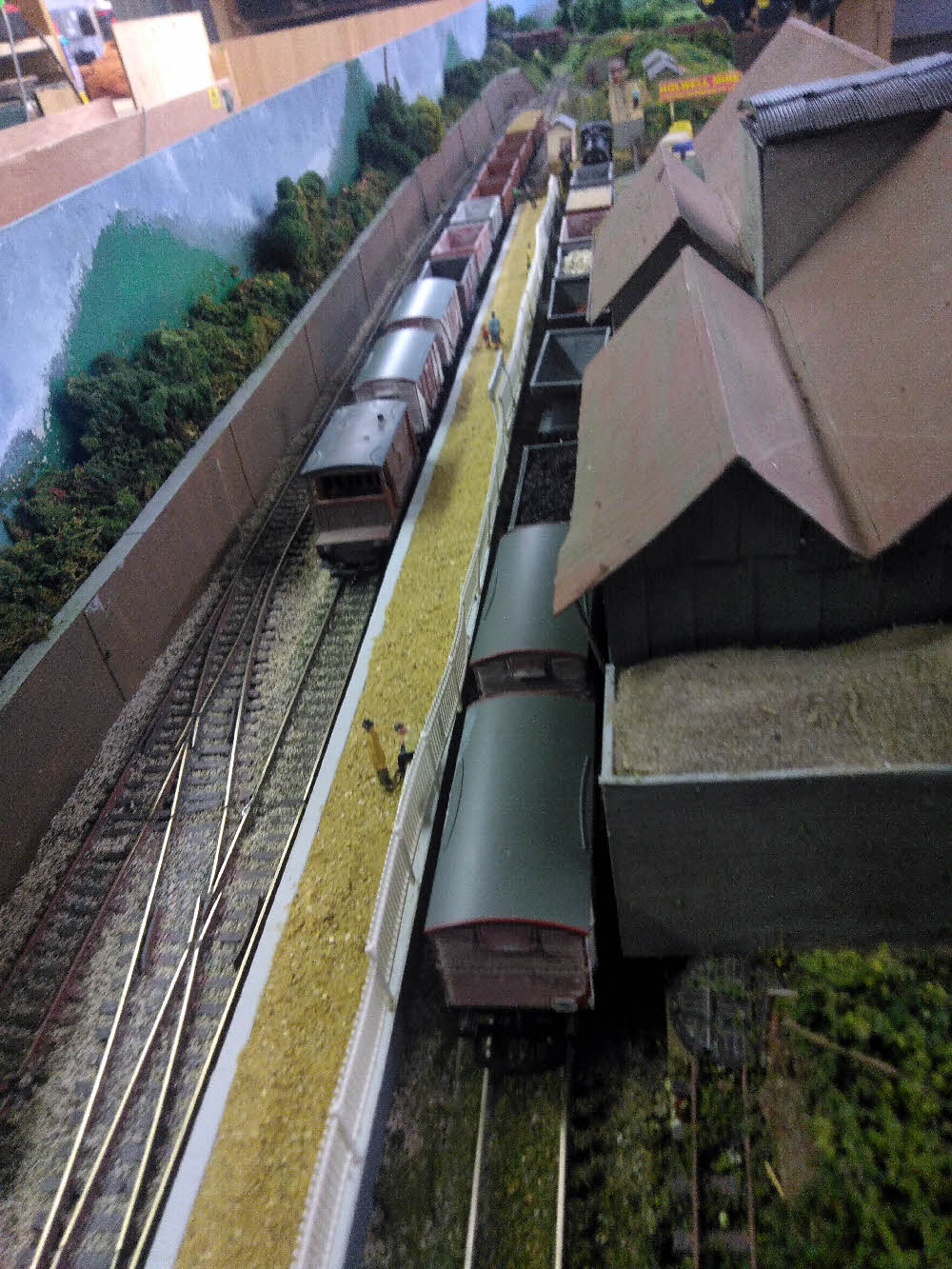
Platform
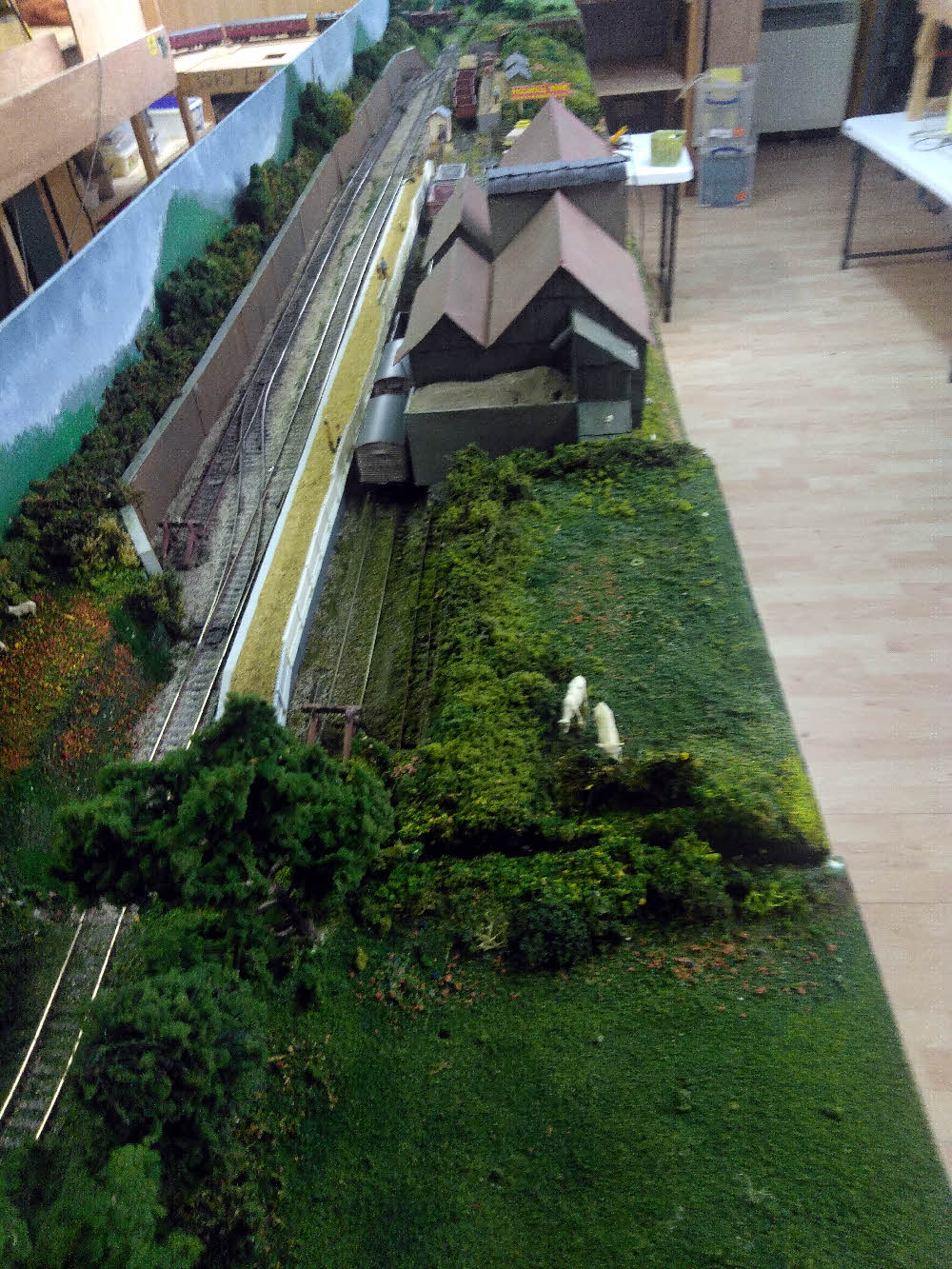
Brickworks
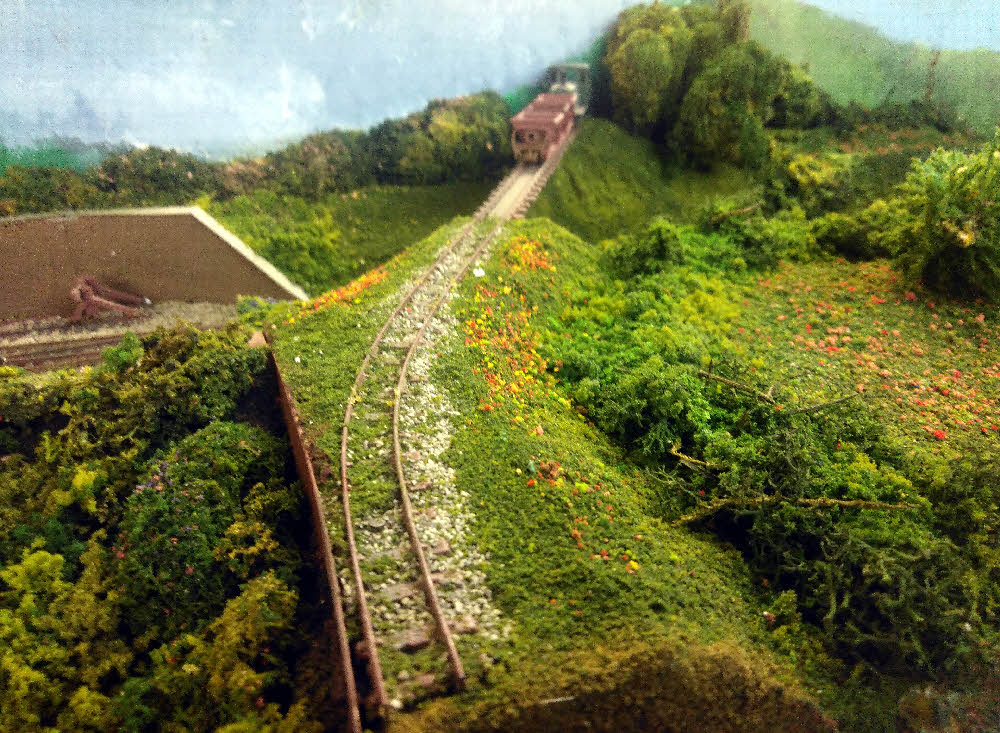
Holwell Mine
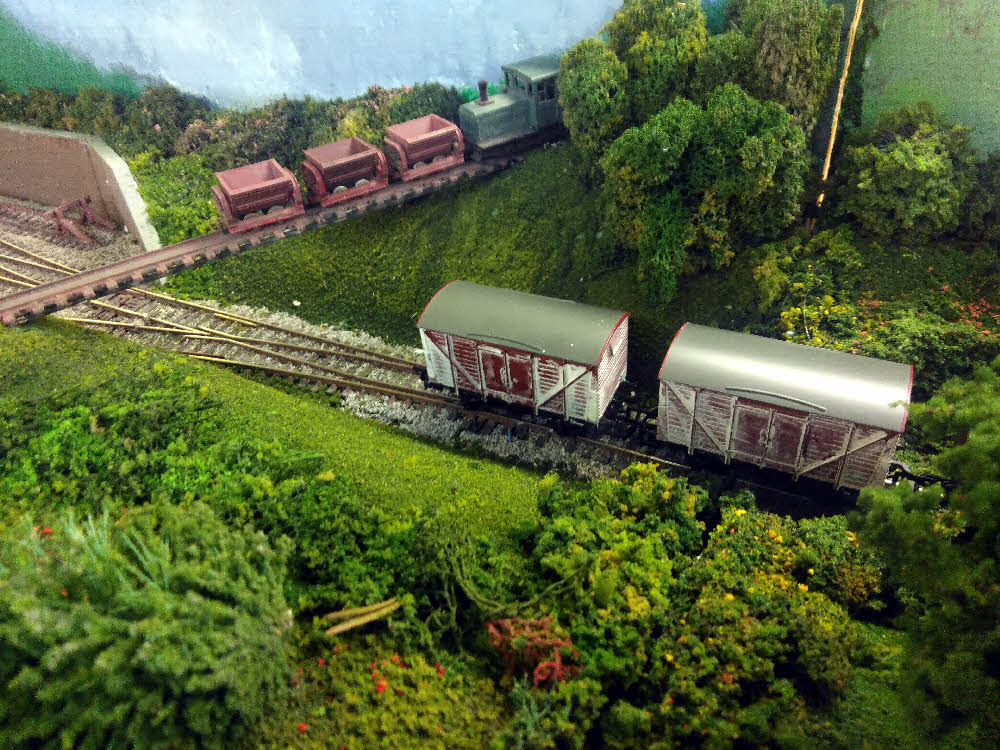
Narrow gauge
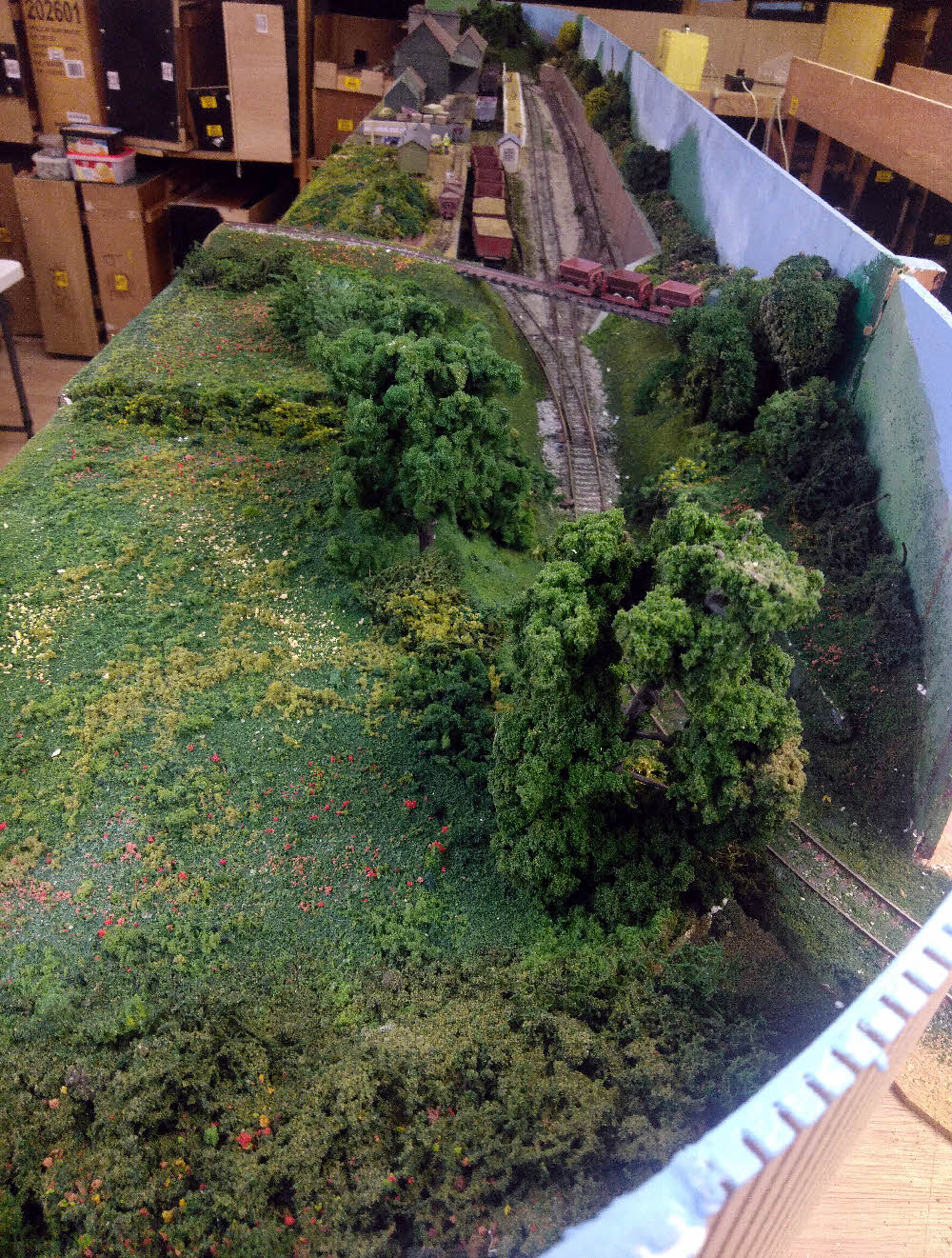
Panoramas
Work
SAND LIME BRICKWORKS in the late nineteenth century German experiments in making artificial stone resulted in a sand-lime brick process, patented in 1881. Production began there in 1894 but did not reach England until ten years later. The bricks have high strength, uniform surface, & sharp corners and can make elegant walls that may eliminate plastering and painting, thus providing economical and superior alternative to conventional clay bricks. About 30 billion sand lime bricks are sold annually.
|
|
Per 1000 bricks |
30,000 |
|
|
Sand
|
3420 Kg |
102.6 tons |
On site |
|
Lime
|
380 Kg |
11.4 tons |
1 Van/daily |
|
Coal |
75 Kg |
2.22 tons |
2 open weekly
|
|
Out put |
|
114 tons
|
10 open daily |
The ingredients are silica sand or siliceous waste, water
and hydrated lime, which may be purchased already slaked or as quicklime to be
slaked after mixing with the other materials. Slaking takes forty minutes in a
rotary slaking drum or twenty-four hours by storage in silos. Pigments may be
added to yield pinks, greys, yellows, and browns as may fine flint gravel to
create texture. The whole is then thoroughly mixed in a rod mill, a rotating
cylinder with loose steel rods, before being fed into powerful presses forming
up to eight bricks at once under pressures of up to 200 tons. Two different
coloured mixes can be fed into the same mould to produce multicoloured bricks,
Steel trolleys carry a bricks to the autoclaves for curing, by saturated steam
at 120 to 250 pounds per square inch. Curing lasts for four to twelve hours,
depending on the strength and quality required. The pressure takes an hour or
two to build up and release. A coal fired boiler produces the steam for the
autoclaves. At the end of the cycle the autoclave door is unbolted and the train
of trolleys winched out. A weak hydrochloric acid dip removes surface scum and
the bricks are ready for despatch.
Converting
Tallarn Green to Neston